
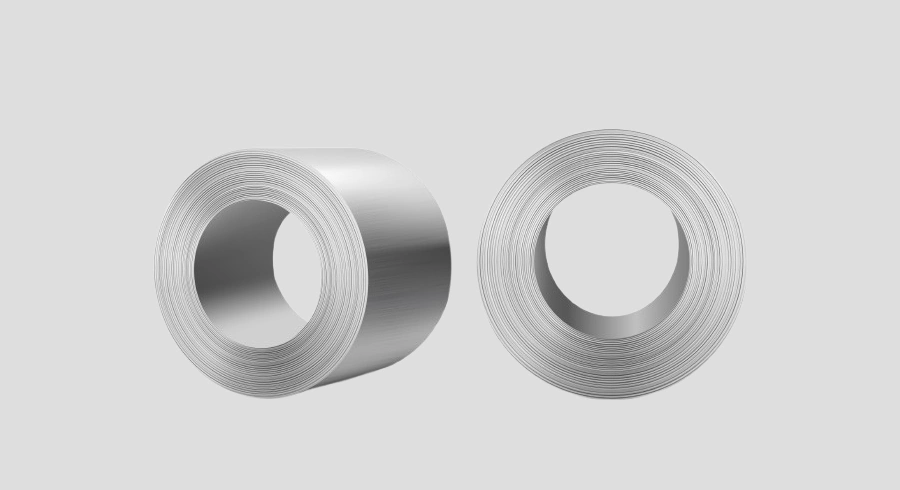
What exactly is PPGI Coil? A Comprehensive Guide
If you are searching for a PPGI coil Kampala, Uganda, it is imperative to have detailed information before purchasing. However, in this comprehensive blog post, we will cover everything you need to know about galvanized steel coils, including types, technical specifications, applications, and more. Likewise, no matter whether you want galvanized coils for construction, residential, commercial, or car manufacturing, understanding galvanized coils is vital for making an informed decision.
Additionally, we will learn about the significant advantages of PPGI coils, including their longevity and corrosion resistance, so that you can get the most from them. At Global Matco Industry, we provide an extensive range of galvanized steel coils. When purchasing a PPGI coil in Jinja, Uganda, for your project, ensure you have a keen understanding and make an informed decision. Let’s start with the blog to know precise details about galvanized coils.
What is a PPGI Coil?
PPGI coil stands for Pre-Painted Galvanized Iron coil. Furthermore, it is a type of steel sheet or strip that has been coated with a thin zinc layer and painted in a factory before forming, thereby preventing corrosion. However, this precise procedure secures the steel from corrosion and delivers a sleek finished look, making it a reliable and suitable choice for appliances, residential, construction, and other domains.
Additionally, the zinc coating acts as a robust barrier between the steel and its surroundings. Likewise, it is one of the best ways to prevent rust and corrosion from forming on the steel’s external surface. Moreover, it serves as a robust layer that stands when the external coating is scratched or damaged, and the zinc oxidizes before the inner steel. Therefore, galvanized coil in Kampala, Uganda, is often produced from 0.2% low-carbon content steel. Nevertheless, this steel is selected for its ease of workability, exceptional formability, and weldability.
Technical Configuration of PPGI Steel Coil
| Parameter | Specification / Range |
|---|---|
| Base Metal | GI / GL / Cold Rolled Steel |
| Zinc / Al-Zn Coating | 40 to 275 GSM |
| Thickness | 0.13 mm to 1.20 mm |
| Coil Width | 600 mm to 1500 mm |
| Coil Weight | 3 to 10 tons |
| Coil Inner Diameter | 508 mm / 610 mm |
| Coil Outer Diameter | 800 to 1600 mm |
| Paint Type | Polyester / SMP / PVDF / Polyurethane |
| Top Coat Thickness | 10 to 35 microns |
| Back Coat | 5 to 10 microns |
| Surface Finish | Glossy / Matte / Wrinkle / Wood Grain |
| Hardness | Soft, Semi-hard, Full Hard |
| Yield Strength | 240 to 550 MPa |
| Color Standard | RAL Color System |
| Passivation / Treatment | Chromated / Non-chromated |
| Protective Film | PE Film optional |
| Application | Roofing, cladding, appliances, panels, fabrication |
What are the Significant Types of PPGI Steel Coil?
Here, we have listed the key types of PPGI steel coil, which have numerous uses across different industries. Let’s check them out one by one.
1. Hot-Rolled Steel Coil (HRC)
A hot-rolled GI coil in Mbarara, Uganda, is a type of steel product made by heating steel slabs above their recrystallization temperature, then rolling them into a straight strip, which is coiled for seamless storage and transport. Furthermore, this procedure makes steel shaping easier due to its malleability, resulting in a rougher external surface finish and black residue known as mill scale. Likewise, hot-rolled steel offers strong, durable, and cost-effective properties, making it a primary choice for applications across different industries. Additionally, precise dimensions are not essential for hot-rolled steel coils.
Technical Configuration of Hot-Rolled Steel Coil (HRC)
| Parameter | Typical Specification |
|---|---|
| Product | Hot Rolled Steel Coil (HRC) |
| Standards | ASTM A36, ASTM A1011, JIS G3101 (SS400), EN 10025 |
| Thickness Range | 1.2 mm to 25 mm |
| Width Range | 600 mm to 2050 mm |
| Coil Weight | 5 to 35 metric tons |
| Coil ID | 508 mm / 610 mm |
| Surface Finish | Black, mill scale |
| Edge Condition | Mill edge or trimmed edge |
| Tensile Strength | 370 to 540 MPa |
| Yield Strength | 235 to 355 MPa |
| Elongation | 20 to 30 percent |
| Tolerance (Thickness) | ±0.10 to ±0.50 mm |
| Tolerance (Width) | ±2 to ±10 mm |
| Applications | Structural, fabrication, pipe, automotive, shipbuilding |
| Optional Treatments | Pickled & oiled, temper rolled, skin passed |
Highlighted Properties
- Strength and Malleable
- Ease of Welding and Forming
- Ideal for Structural Use
- Scaled Surface Finish
- Have Dimensional Tolerances
Fundamental Applications
- Construction for Beams and Structures
- The Automotive Industry for Frames and Chassis
- Shipbuilding for Hulls and Decks
- Industrial Machinery
- The Production of Pipes and Tubing
2. Electro-Galvanized Steel Coils
When producing an electro-galvanized steel coil, the PPGI coil supplier in Entebbe, Uganda coated the electro-galvanized steel coil with a uniform, thin layer of zinc by an electrolytic process to protect against corrosion. Nevertheless, this electrocoating results in a smoother, more aesthetically pleasing, and brighter finish than hot-dipped galvanized steel. Therefore, it makes it an ideal choice for indoor applications, such as appliances, electronics, and automotive interiors.
Technical Configuration of Electro-Galvanized Steel Coils
| Category | Specification |
|---|---|
| Base Material | Cold Rolled Steel (Full Hard / Annealed) |
| Steel Grades | CQ, DQ, DDQ, EDDQ, HSLA, Structural Grades |
| Thickness Range | 0.3 to 3.0 mm |
| Width Range | 600 to 1600 mm |
| Coil ID / OD | ID: 508 mm / 610 mm, OD: up to 2000 mm |
| Coil Weight | 3 to 25 MT |
| Coating Type | Electrolytic Zinc (Zn) |
| Coating Weight (Total Both Sides) | 15 to 120 g/m² (Z15–Z120) |
| Coating Thickness | ~0.2 to 1.7 µm per side |
| Surface Finishes | Bright, Matte, Skin-passed |
| Surface Treatments | Chromated / Non-chromated, Oiled, Dry |
| Tensile Strength | 270 to 550+ MPa (grade-dependent) |
| Yield Strength | 140 to 480+ MPa |
| Elongation | 20 to 40 percent |
| Hardness | 50 to 95 HRB (cold rolled base) |
| Formability | Good to Excellent |
| Weldability | Excellent |
| Paintability | Excellent |
| Corrosion Resistance | Moderate to High |
| Typical Applications | Automotive panels, Appliances, Office equipment, Electronics housings, Furniture, Construction interior |
Highlighted Properties
- Corrosion resistance
- Smooth and uniform coating
- Paintability
- Mechanical strength
- Ductility
Fundamental Applications
- Automotive Industry for Body Panels and Chassis Parts
- Construction and Infrastructure for Roofing, Siding, and Structural Components
- Residential Industry for Household Appliances
- Electrical and Telecommunications for Electrical Enclosures and Conduits
- Agriculture for Greenhouse Frames, Fencing, and Silos
What are the Factors Impacting the Price of Galvanized Coils?
The cost of PPGI coil Kampala, Uganda, is influenced by multiple factors, including raw material costs (hot-rolled zinc), manufacturing specifications (coating thickness and physical dimensions), market forces (supply and demand), and external factors (currency exchange rates, energy prices, and trade policies). Furthermore, the production process and coating of galvanized coil also add to the cost, with thicker, specialized finished coatings and high-quality galvanized coil.
Moreover, here are the two factors we mentioned to give you a brief idea of the factors affecting the cost of GI coil in Mbarara, Uganda.
1. Raw Material and Manufacturing Costs
| Raw Material and Manufacturing Costs | |
|---|---|
| Factor | Description |
| Steel and zinc prices | Prices of hot-rolled steel and zinc are key cost drivers. Also, market fluctuations directly impact product cost. |
| Coating thickness | A thicker zinc coating improves corrosion resistance but increases costs due to higher material usage. |
| Manufacturing process | The galvanization method (hot-dip vs electro-galvanizing) and energy requirements influence cost. |
| Physical specifications | Coil thickness, width, and length affect pricing; thicker coils use more raw materials and energy. |
| Customizations | Special finishes or colors (e.g., PVDF coating) increase cost due to additional processing. |
2. Market and External Factors
| Market and External Factors | |
|---|---|
| Factor | Description |
| Supply and demand | High demand from sectors like construction and automotive drives prices up; surplus leads to lower prices. |
| Trade policies and tariffs | Tariffs and trade agreements increase the cost of imported coils, thereby influencing domestic pricing. |
| Energy costs | Steel production is energy-intensive, so rising energy prices increase production and coil costs. |
| Currency exchange rates | Exchange rate fluctuations affect the cost of imported and exported steel products. |
| Coating quality | Uniformity and adhesion of the zinc coating affect performance and price. |
| Certifications | Coils meeting recognized standards or certifications typically have higher price points. |
| Logistics | Freight, customs duties, and delivery time contribute to the landed cost for international buyers. |
It’s Time to Wrap Things Up!
When purchasing the PPGI coil Kampala, Uganda, it is imperative to have the precise knowledge of imperative parameters, such as supplier reputation, thickness, durability, versatility, and manufacturing techniques. Moreover, these are crucial factors that can easily affect the coil’s price and quality. Nonetheless, with well-informed details about galvanized steel coils, you can make an informed decision when purchasing coils that meet your needs and preferences.
Therefore, if you are searching for the best PPGI coil supplier in Entebbe, Uganda, look no further than Global Matco Industry. We have a wide team of experts here to guide you in gaining a better understanding of the market and selecting top-quality galvanized steel coils. We are all familiar with the fact that galvanized steel coils are an exceptional choice for a wide variety of applications due to their properties, including adaptability, superior corrosion resistance, sustainability, versatility, and durability. So, what are you waiting for? Connect with us today and get the top-quality steel coils at the most competitive price.